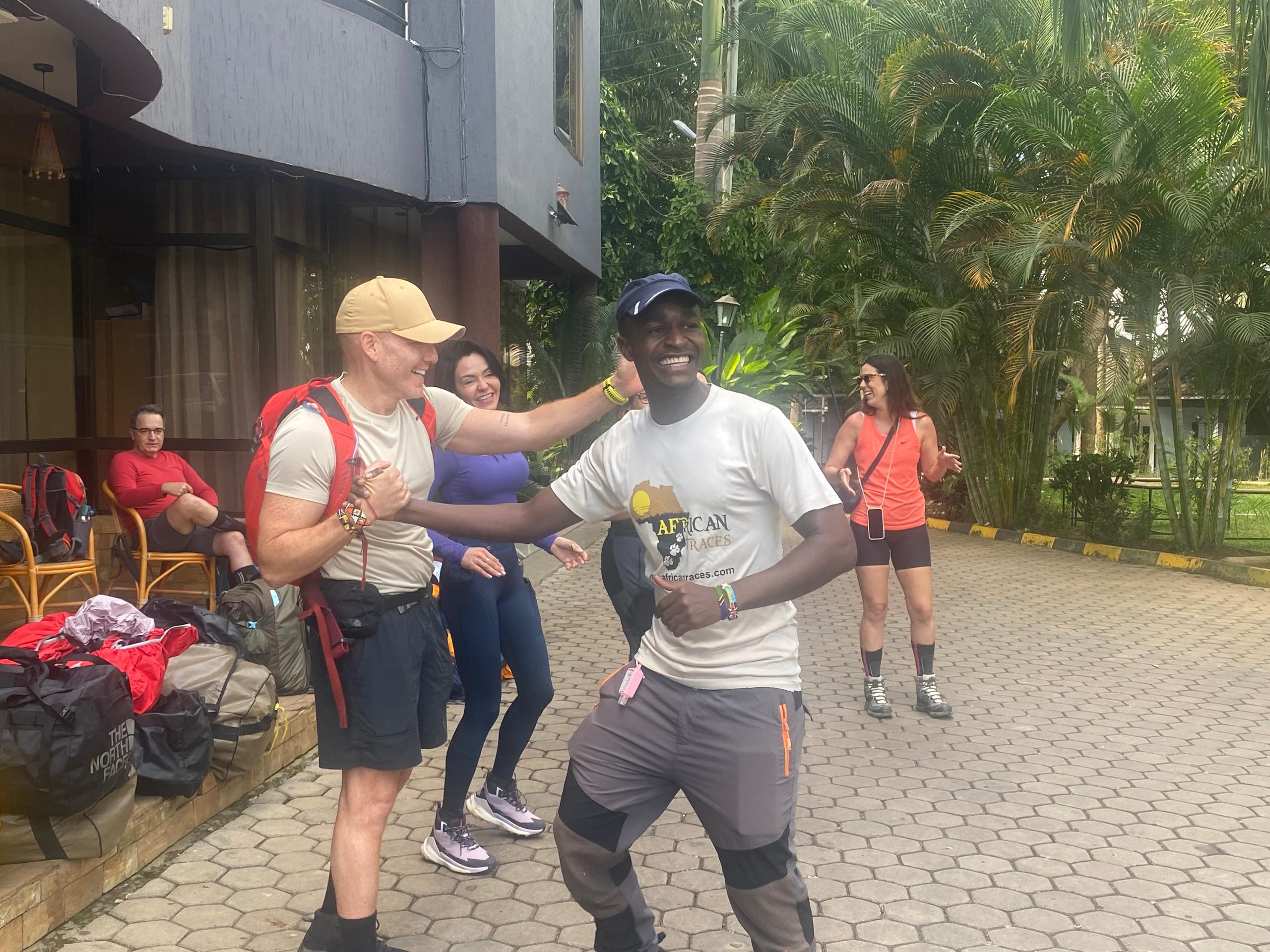
Hike to Kilimanjaro Lemosho Route, is traditionally one of the quieter and lesser-known routes on the mountain. It's also the newest and probably the most diverse in terms of the ecological systems and landscapes it passes through.
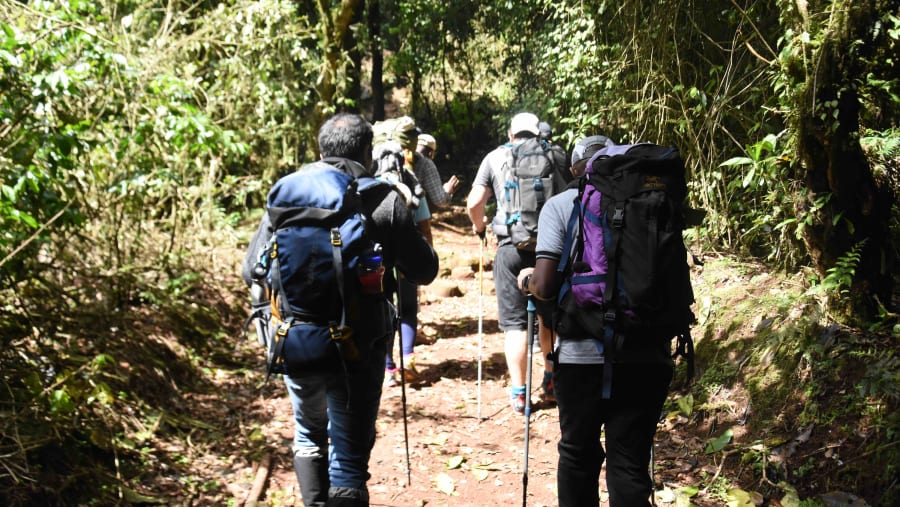
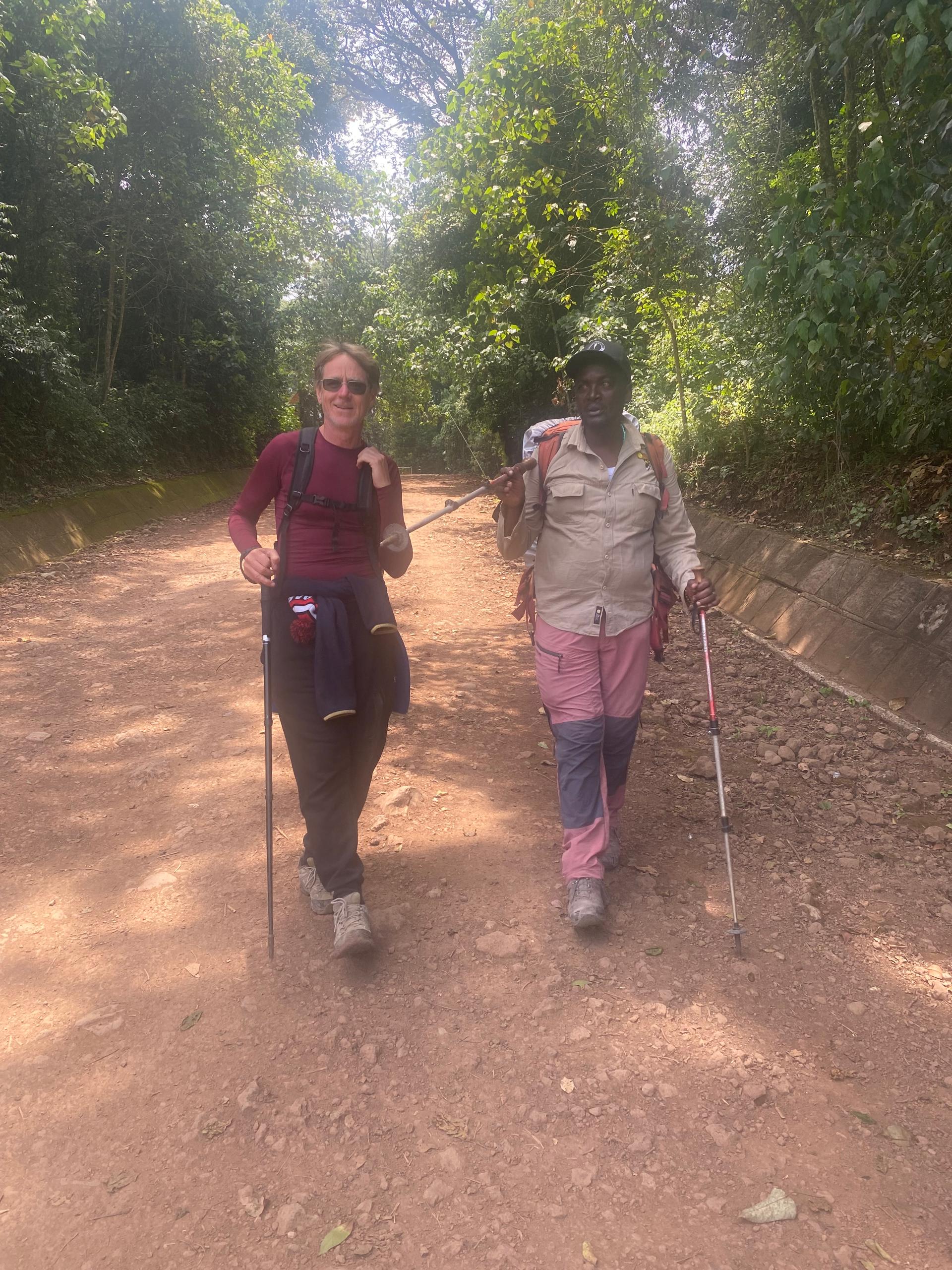
The first two days of this route take you through lush rainforest before you emerge into heath and moorland then join the Machame Route on the third day. This narrow trail, which begins on the Western side of Kilimanjaro, has some very steep and undulating sections. Arriving day Kilimanjaro airport to Moshi
AccommodationsBig Tree Camp
The Big Tree Camp is a scenic overnight stop on the lower slopes of Mount Kilimanjaro, typically used by climbers on the Lemosho Route. Nestled within a lush montane rainforest at around 2,800 meters (9,200 feet), the camp is surrounded by towering trees, thick vegetation, and the sounds of wildlife, creating a peaceful and immersive natural atmosphere. It serves as an early acclimatization point where trekkers can rest, enjoy cooler temperatures, and experience the rich biodiversity of the mountain before continuing to higher, more rugged zones.
Shira 2 Camp
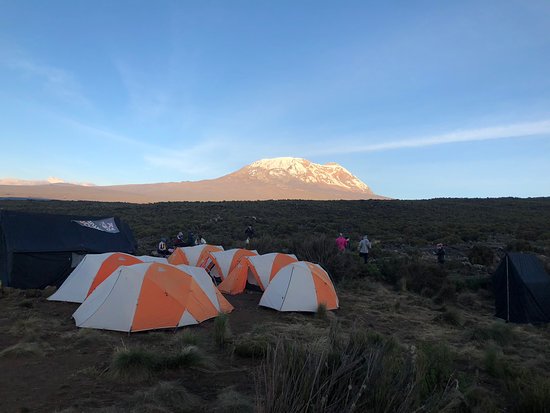
Shira 2 Camp is a high-altitude campsite on the Shira Plateau at around 3,850 meters (12,600 feet), used by climbers on routes like Lemosho and Shira. The camp sits in a stark, open moorland with rocky terrain, sparse vegetation, and sweeping views of the Kibo peak, creating a dramatic alpine setting. It is an important acclimatization stop where trekkers adjust to thinner air, often experiencing colder temperatures and stronger winds before continuing toward higher camps.
Barranco Camp
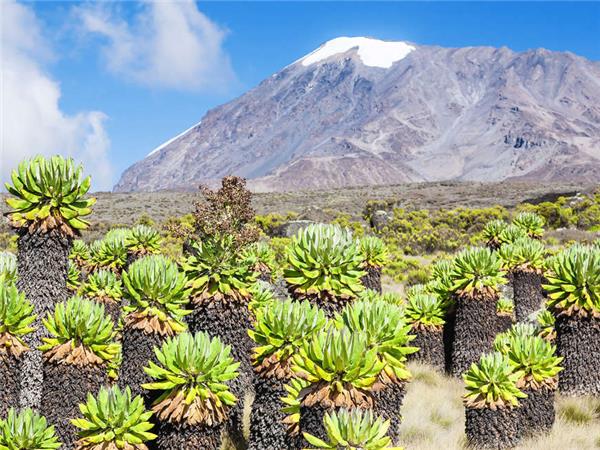
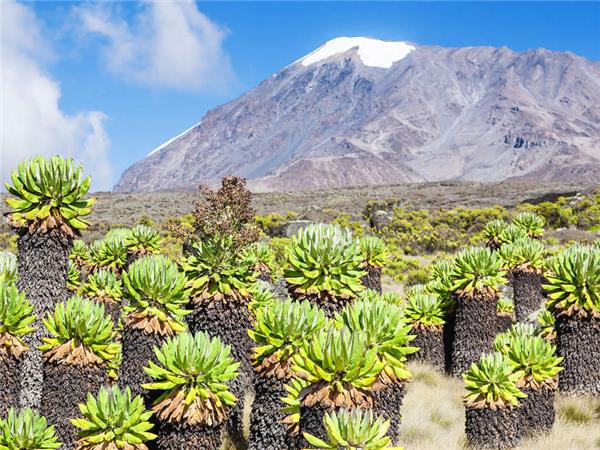
Barranco Camp is a popular campsite on Mount Kilimanjaro located at about 3,960 meters (13,000 feet), set in a scenic valley below the impressive Barranco Wall. Surrounded by giant senecio plants and rugged volcanic terrain, the camp offers striking views of Kibo peak and a dramatic alpine landscape. It serves as an important acclimatization stop where trekkers rest before tackling the steep Barranco Wall, often considered one of the most exciting sections of the climb.
Karanga Camp
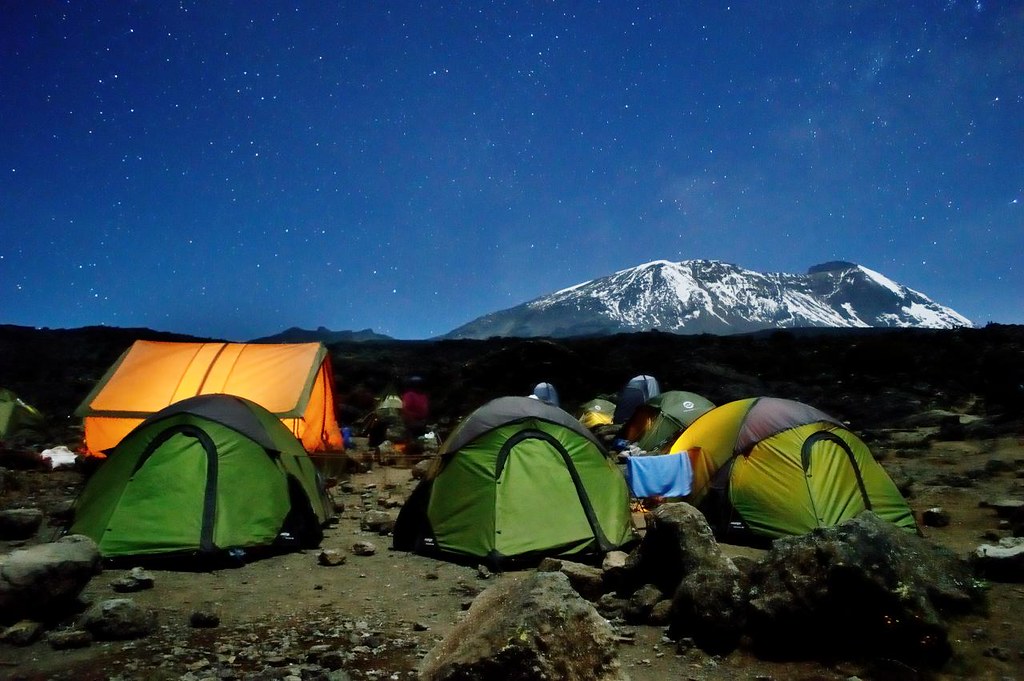
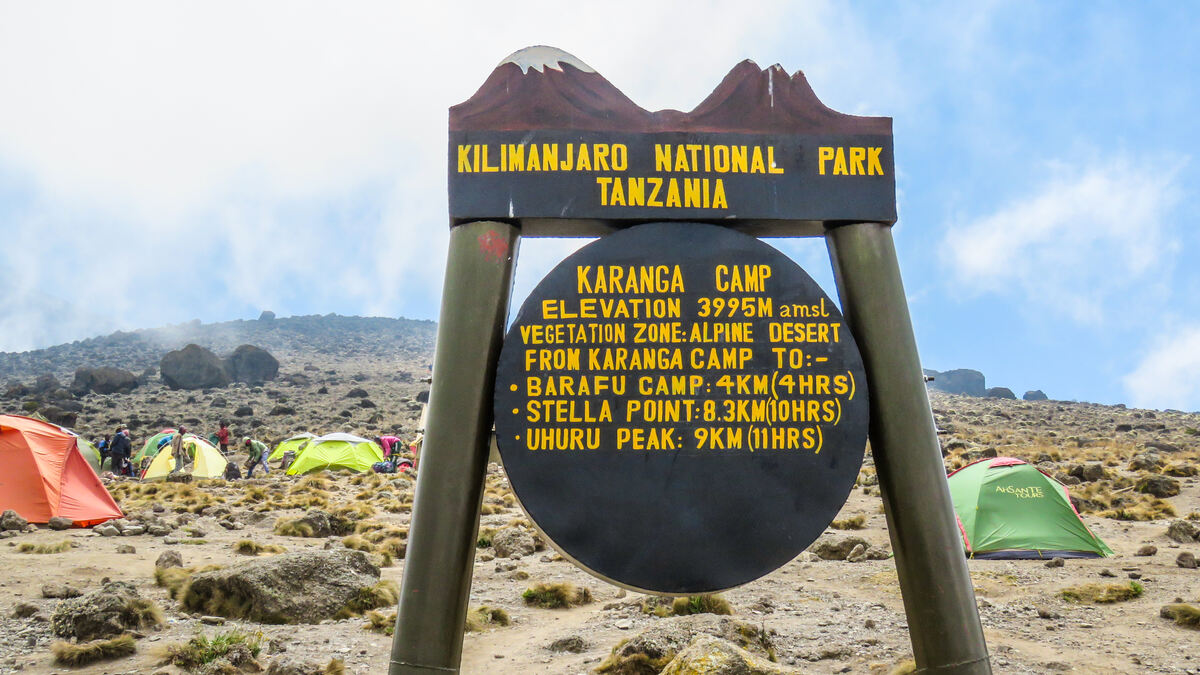
Karanga Camp is a high-altitude campsite on Mount Kilimanjaro situated at about 3,995 meters (13,100 feet), along the route between Barranco and Barafu camps. Set in a rocky alpine desert landscape with sparse vegetation, it offers impressive views of the surrounding valleys and glaciers. The camp is an important acclimatization stop where trekkers rest and prepare for the final ascent stages, often benefiting from a slightly shorter trekking day to aid recovery at high altitude.
Barafu Camp
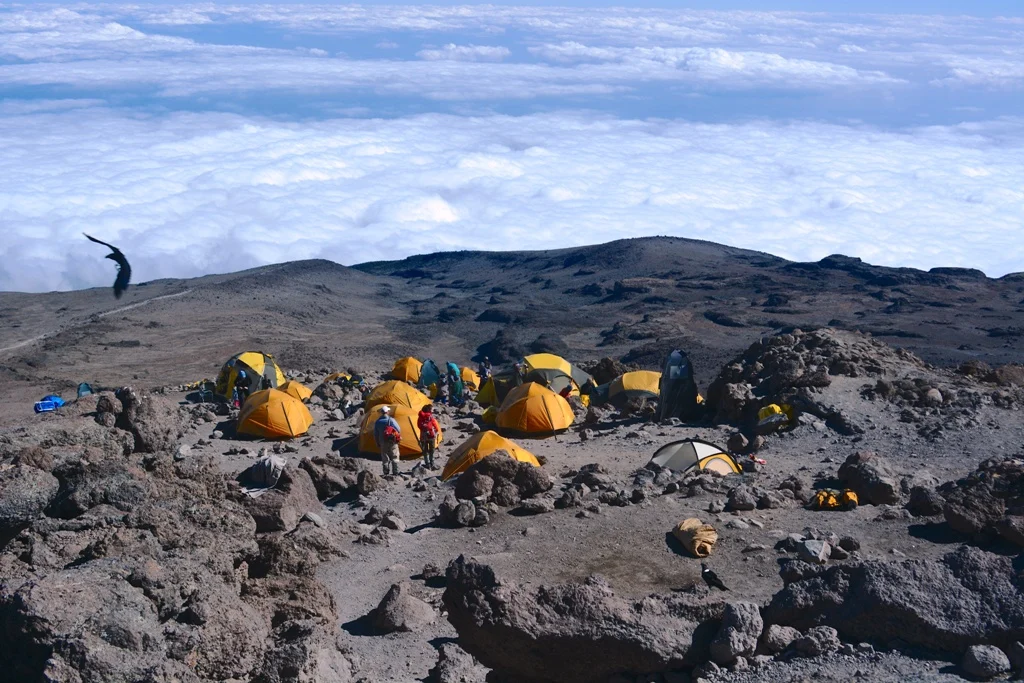
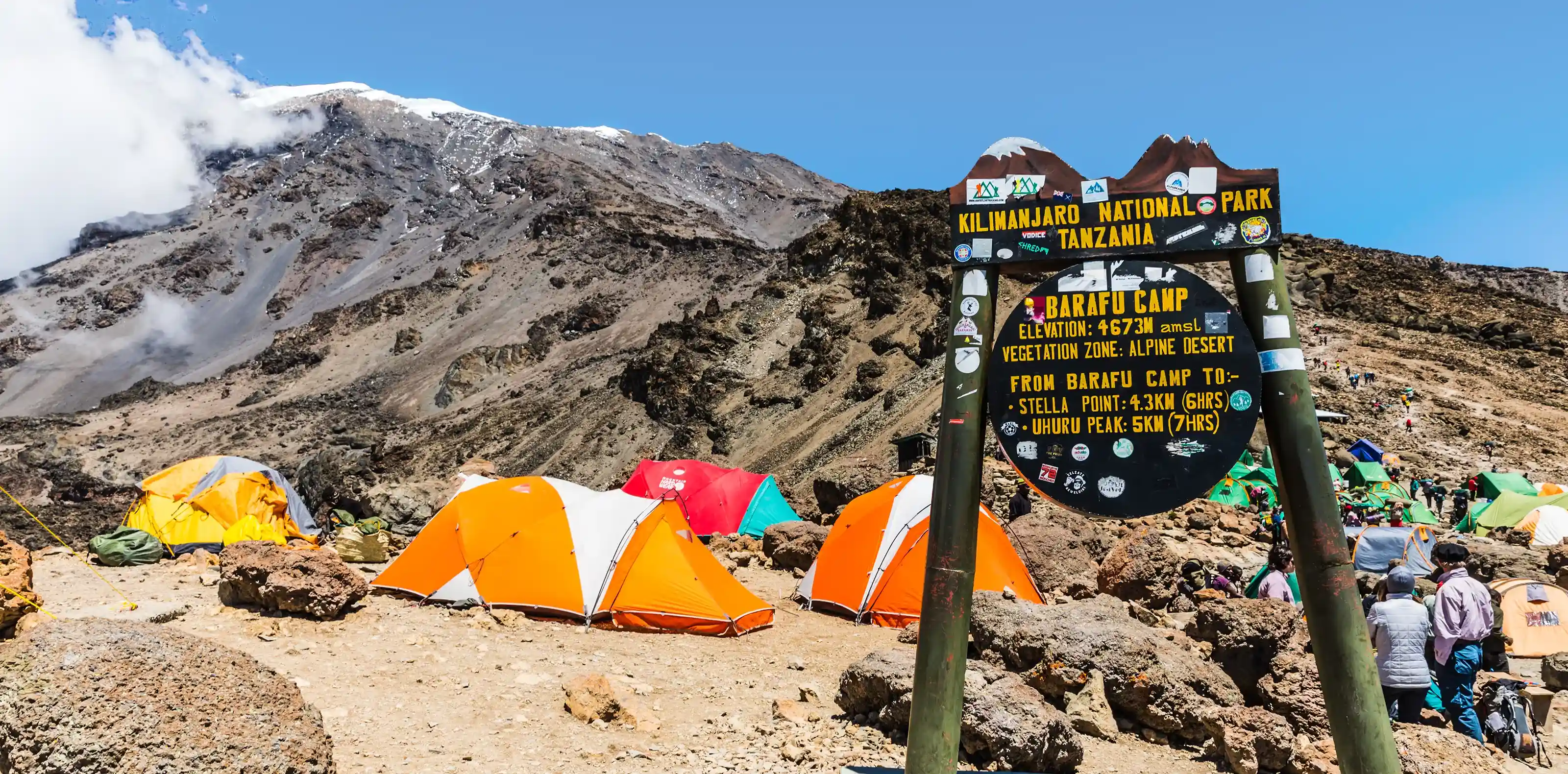
Barafu Camp is a high-altitude base camp on Mount Kilimanjaro located at about 4,673 meters (15,331 feet), serving as the main staging point for the final summit push to Uhuru Peak. Set on a barren, rocky ridge with no vegetation, the camp is exposed to strong winds, cold temperatures, and thin air, creating a harsh but dramatic alpine environment. Trekkers typically rest here briefly before beginning their overnight ascent to the summit, making it one of the most challenging and crucial stops on the climb.
Mweka Camp
Mweka Camp is a lower-altitude campsite on the descent route of Mount Kilimanjaro, located at about 3,100 meters (10,170 feet) within a lush montane rainforest. Surrounded by dense vegetation, tall trees, and rich wildlife, the camp offers a refreshing contrast to the harsh, high-altitude zones above. It is typically the final overnight stop for climbers, providing a comfortable place to rest and recover after the summit before continuing down to the park gate.
Panama Hotel
Panama Hotel Moshi is a comfortable and conveniently located hotel in Moshi town, often used by climbers before and after trekking Mount Kilimanjaro. It offers clean rooms, a relaxed atmosphere, and essential amenities such as a restaurant and bar, making it a practical place to rest and prepare for the climb or recover afterward. Its central location also provides easy access to local shops, tour operators, and transport connections.